By:Lauren Michael

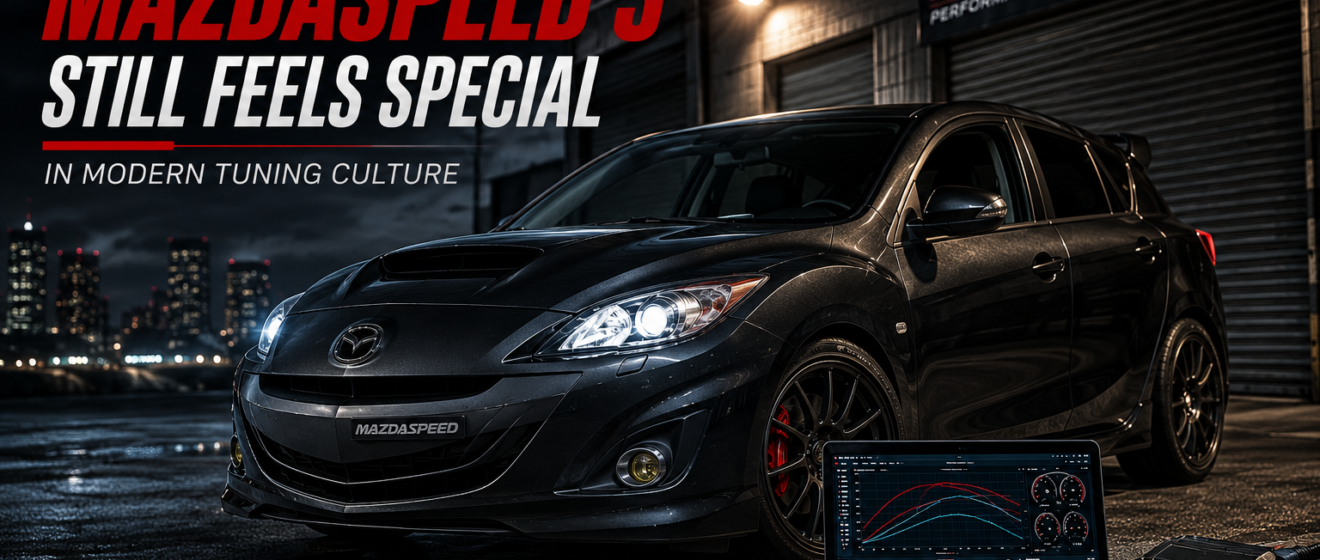
Understanding why the Mazdaspeed 3 platform remains popular among enthusiasts, and how proper ECU calibration improves throttle response, boost behavior, and overall drivability on the 2.3T MPS platform.
The Mazdaspeed 3 — also known as the Mazda 3 MPS in some markets — remains one of the most interesting turbocharged hot hatch platforms Mazda ever produced.
Even years after production ended, the platform still has a loyal following among enthusiasts who appreciate:
- direct steering feel
- lightweight chassis behavior
- aggressive turbo response
- and surprisingly raw driving characteristics compared to many newer vehicles.
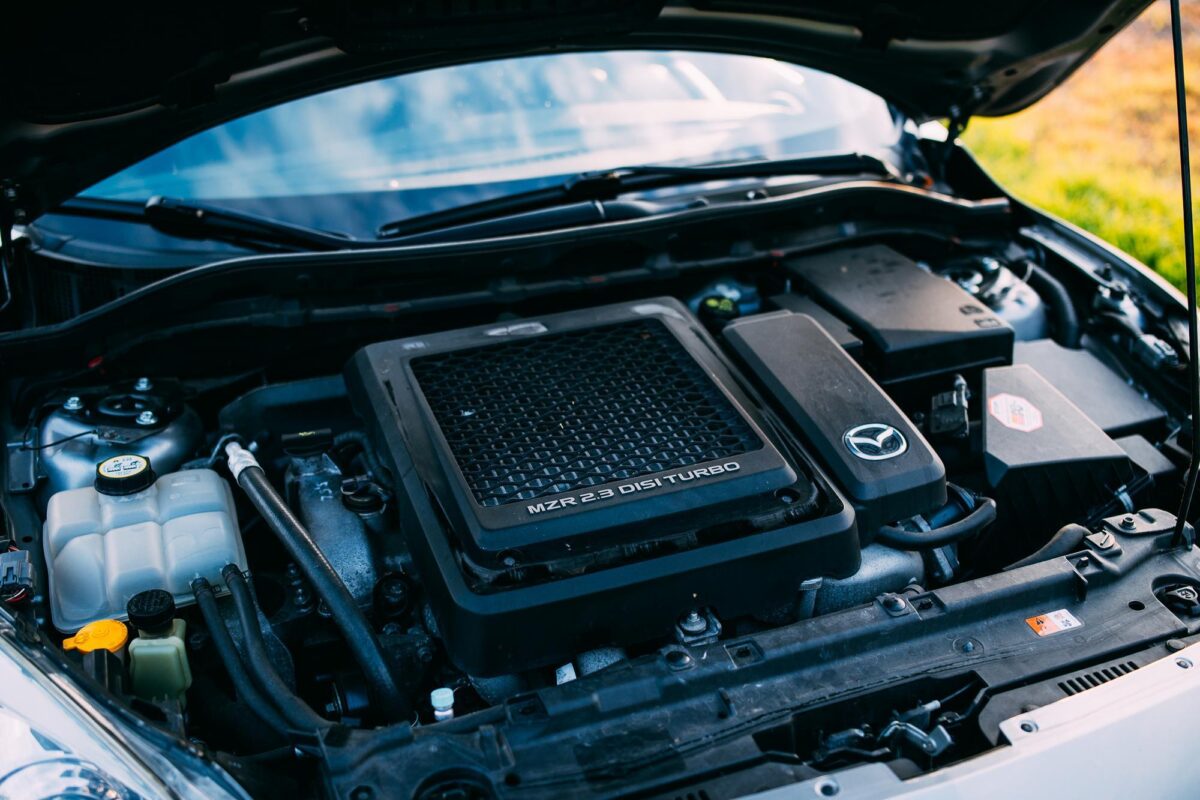
Part of what makes the platform so engaging is the 2.3L DISI turbo engine.
Even by modern standards, the engine delivers strong mid-range torque and quick spool behavior when properly calibrated.

Why the 2.3T MPS Platform Feels So Different
Modern performance cars are often smoother, quieter, and more electronically filtered.
The Mazdaspeed 3 is not.
The factory calibration already gives the car a noticeably aggressive personality, especially under boost.
However, the OEM ECU strategy is still heavily limited by:
- emissions requirements
- fuel quality considerations
- factory torque management
- long-term reliability targets
As a result, many MPS platforms feel less consistent than they actually could be, especially during:
- partial throttle acceleration
- boost transition
- lower RPM torque delivery
- hotter weather conditions
This is one reason why proper ECU calibration makes such a noticeable difference on the platform.
Boost Behavior and Torque Delivery Matter More Than Peak Numbers
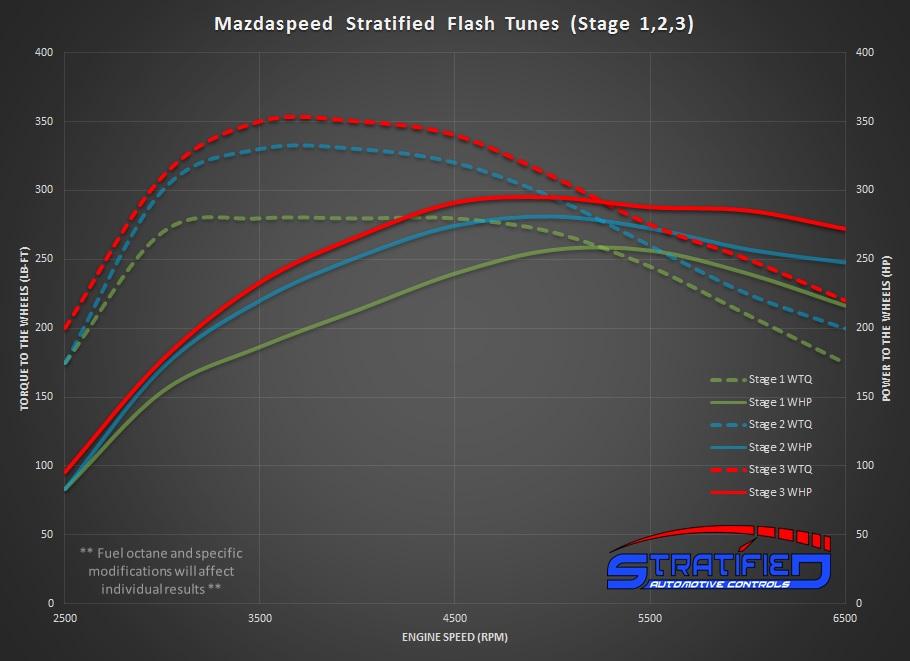
One of the biggest misconceptions about the Mazdaspeed platform is that tuning is only about increasing boost pressure.
In reality, proper calibration is often more about improving:
- throttle behavior
- boost consistency
- airflow calculation
- ignition response
- torque delivery smoothness
Many drivers notice that a properly calibrated Mazdaspeed 3 feels more predictable and more responsive even during normal daily driving.
That becomes especially important on older turbocharged platforms where factory ECU behavior can feel inconsistent by modern standards.
Supported Mazdaspeed / MPS calibration platforms:
Why Enthusiasts Still Return to the MPS Platform
Even today, many enthusiasts continue returning to the Mazdaspeed platform because the driving experience still feels mechanical and connected.
The car reacts immediately to:
- throttle input
- turbo response
- chassis movement
- driver corrections
That raw feeling is becoming increasingly rare in modern performance vehicles.
When combined with proper ECU calibration, the 2.3T MPS platform still delivers an experience that feels surprisingly alive compared to many newer turbocharged cars.
Final Thoughts
The Mazdaspeed 3 was never designed to be the most refined hot hatch on the market.
That is exactly why so many enthusiasts still love it.
The platform responds extremely well to proper calibration because the driving experience is already so direct and mechanical from the factory.
For many drivers, improving throttle response, boost consistency, and drivability matters far more than simply chasing the highest dyno number.