By:Lauren Michael
Ford’s 2.3L EcoBoost platform has quietly become one of the most versatile turbocharged engines in the modern performance market.
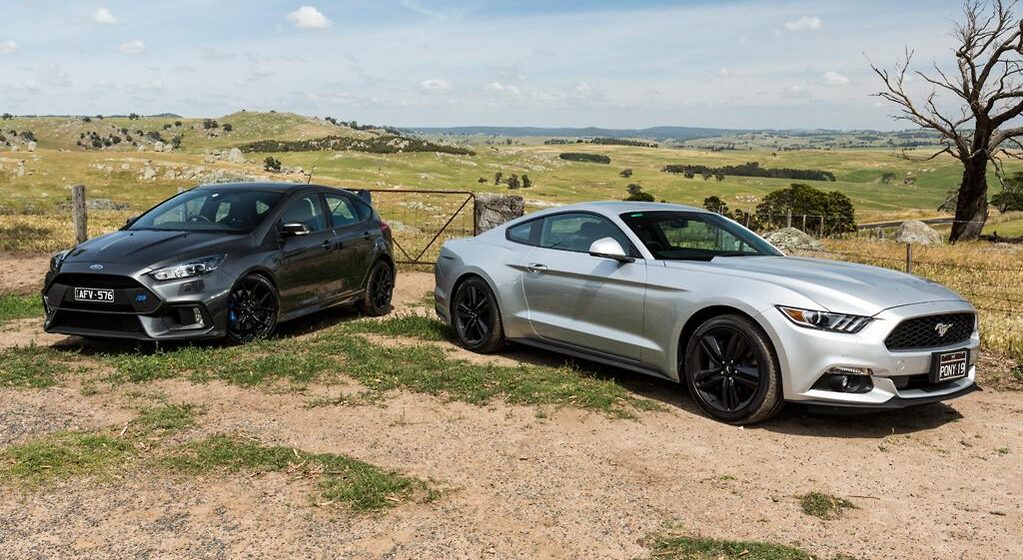
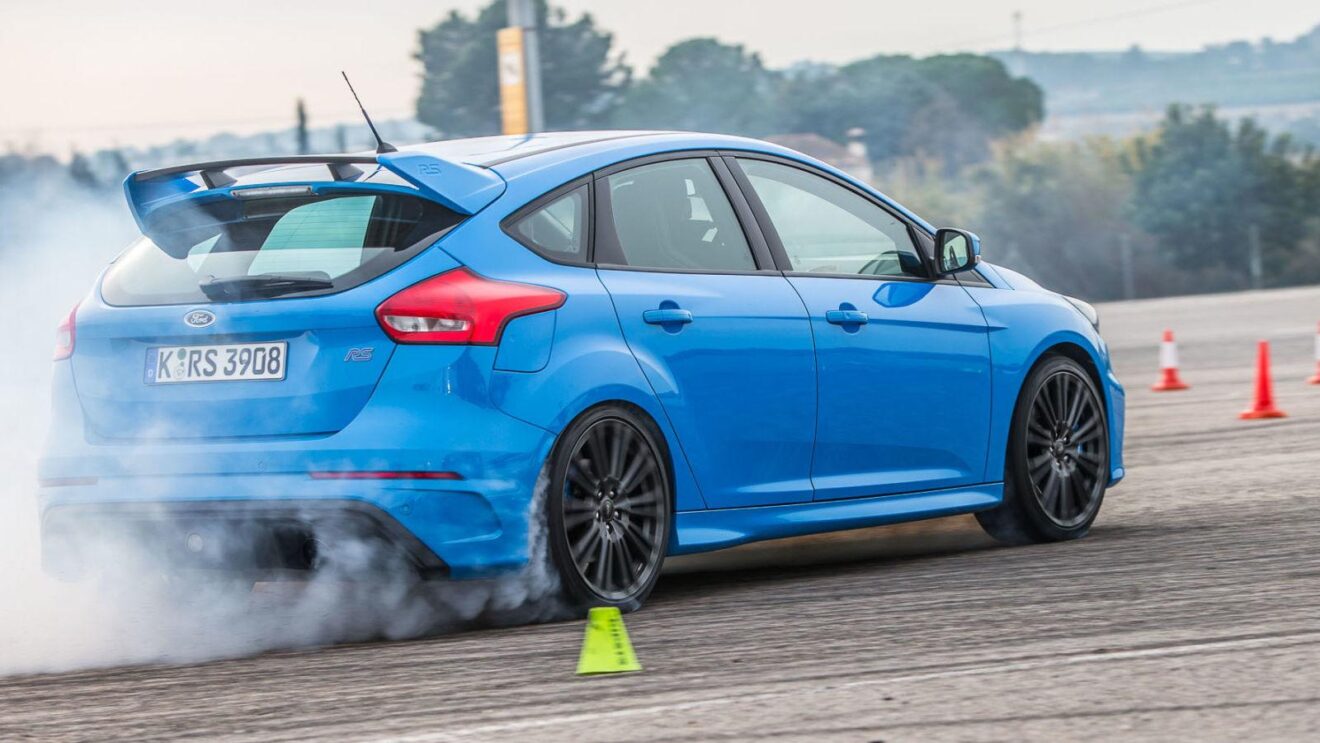
Originally developed to balance fuel efficiency with everyday drivability, the 2.3L EcoBoost eventually found its way into platforms like the Mustang EcoBoost and Focus RS — two vehicles with completely different personalities, yet surprisingly similar calibration behavior.
And despite the impressive factory performance of these vehicles, the factory tuning strategy still leaves significant performance potential unused.
Factory Calibration Is Built Around Compromise
Modern OEM calibrations are designed to satisfy far more than outright performance targets.
Manufacturers must account for:
- emissions regulations
- global fuel quality
- drivetrain durability
- thermal management
- warranty requirements
- weather conditions
- driver comfort
- fuel economy
As a result, factory tuning often prioritizes consistency and safety margins over responsiveness and peak performance.
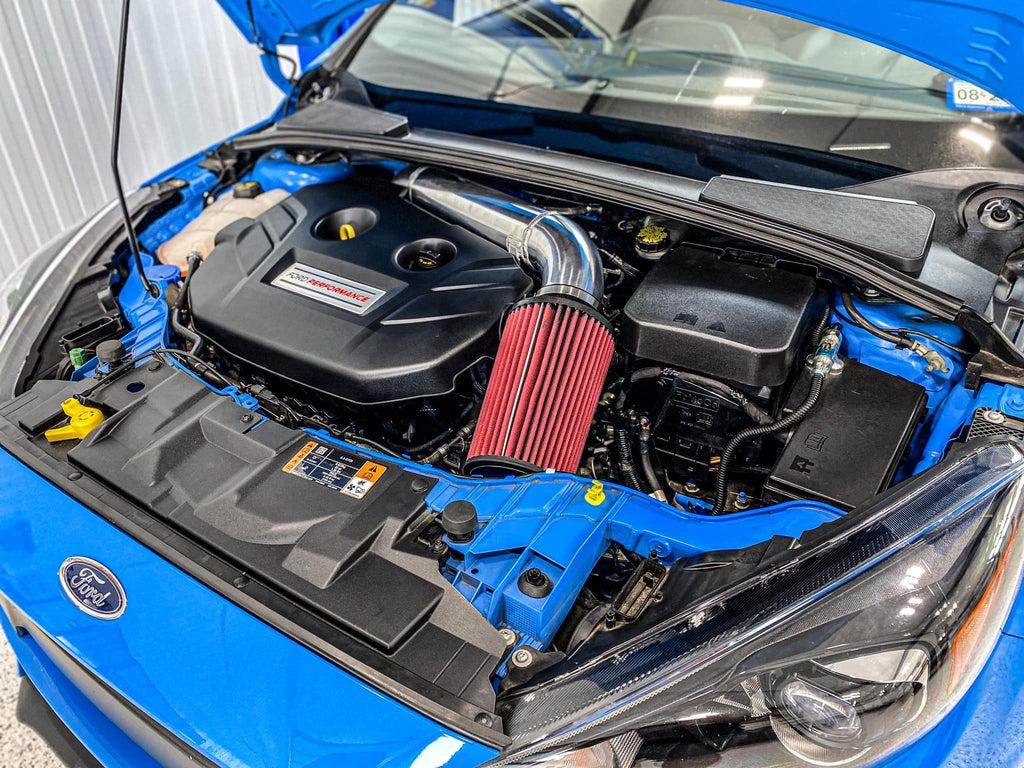
This is especially noticeable on turbocharged platforms like the 2.3L EcoBoost, where the engine’s hardware capability often exceeds what the factory calibration is willing to deliver.
Why Turbocharged Engines Feel “Held Back”
One of the most misunderstood aspects of modern turbocharged engines is torque management.
On vehicles like the Mustang EcoBoost and Focus RS, the ECU constantly manages torque delivery using:
- throttle intervention
- boost targeting
- ignition timing adjustments
- airflow modeling
- transmission torque requests
- traction management systems
Even under aggressive throttle input, the ECU may intentionally reduce torque in order to protect drivetrain components or maintain factory calibration targets.
To the driver, this often feels like:
- delayed boost response
- inconsistent acceleration
- soft midrange power
- hesitation during rapid throttle transitions
- reduced urgency at lower RPM
The engine is capable of more — but the calibration is designed to remain conservative.
The Focus RS And AWD Torque Distribution
The Focus RS adds another layer of complexity through its all-wheel drive system.
Unlike traditional mechanical AWD systems, the Focus RS relies heavily on electronic torque management and rear differential control strategies to shape the vehicle’s handling characteristics.
Factory calibration generally prioritizes stability and predictability, but that conservative approach can also limit how aggressively the rear driveline responds during acceleration and corner exit situations.
This is one reason why properly calibrated Focus RS platforms often feel dramatically different despite relatively modest hardware changes.
Why The Mustang EcoBoost Responds So Well To Tuning
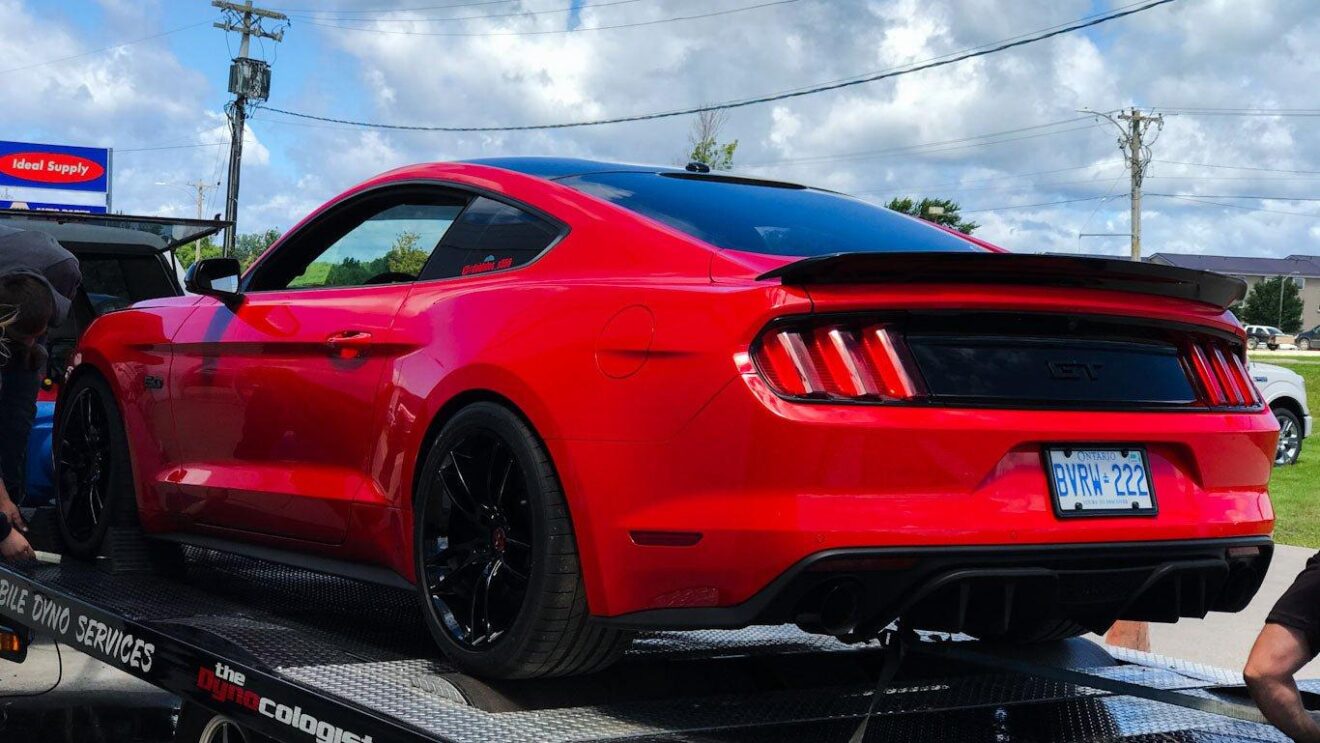
The Mustang EcoBoost benefits particularly well from calibration optimization because of how much unused efficiency exists within the factory turbocharger system.
The factory setup already includes:
- direct injection
- efficient airflow design
- modern turbocharger control
- advanced ignition strategies
- sophisticated ECU torque modeling
With optimized calibration, the platform can deliver significantly improved:
- throttle response
- boost behavior
- midrange torque
- acceleration consistency
- drivability under load
without fundamentally changing the vehicle’s everyday character.
Calibration Is About Integration
Modern tuning is no longer just about increasing boost pressure.
Today’s vehicles rely on complex communication between:
- ECU
- transmission control systems
- AWD modules
- traction control systems
- thermal management systems
Proper calibration focuses on improving how these systems work together rather than simply forcing additional power into the engine.
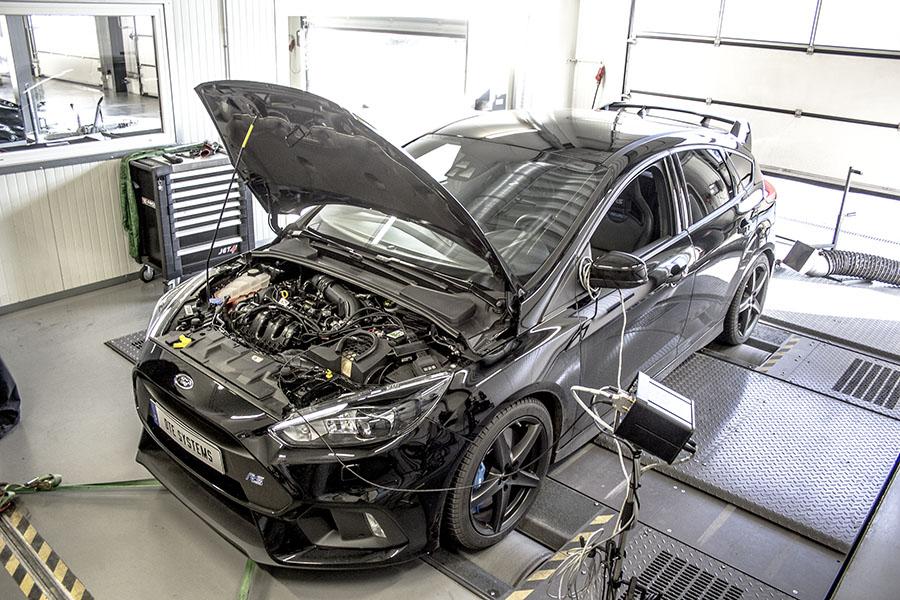
Supported Ford MG1CS017 Platforms
Currently supported applications include:
Ford Mustang EcoBoost
- 2020–2025
- 2.3L EcoBoost
- ECU: MG1CS017
Ford Focus RS
- 2016–2019
- 2.3L EcoBoost
- ECU: MG1CS017
Available services may include:
- ECU Calibration
- Stage 1 & Stage 2 Tuning
- Diagnostics
- ECU Cloning & Programming
- Bench Unlock & Recovery Services
Support varies by hardware and software version.
OEM+ Performance Philosophy
The best-performing modern calibrations are often the ones that feel the most natural.
Not overly aggressive.
Not unstable.
Not artificially sharp.
Just smoother, faster, and more responsive in every situation.
That OEM+ philosophy is what separates proper calibration work from generic file flashing.
Because real performance is not just about peak horsepower numbers.
It’s about how the vehicle behaves everywhere else.