By: Lauren Michael
Understanding why the Mazda MX-5 platform responds so well to proper ECU tuning, and how Skyactiv and MZR engines benefit from improved throttle response, torque delivery, and airflow calibration.
The Mazda MX-5 has always been one of the purest driver-focused platforms on the market.
Unlike many modern turbocharged vehicles, the MX-5 relies heavily on lightweight chassis balance, throttle response, and naturally predictable power delivery rather than outright horsepower numbers.
That is exactly why proper ECU calibration can make such a noticeable difference on these cars.

Modern MX-5 Platforms Are More Calibration-Dependent Than Many Drivers Realize
Many drivers assume naturally aspirated engines gain very little from ECU tuning.
That is not entirely true.
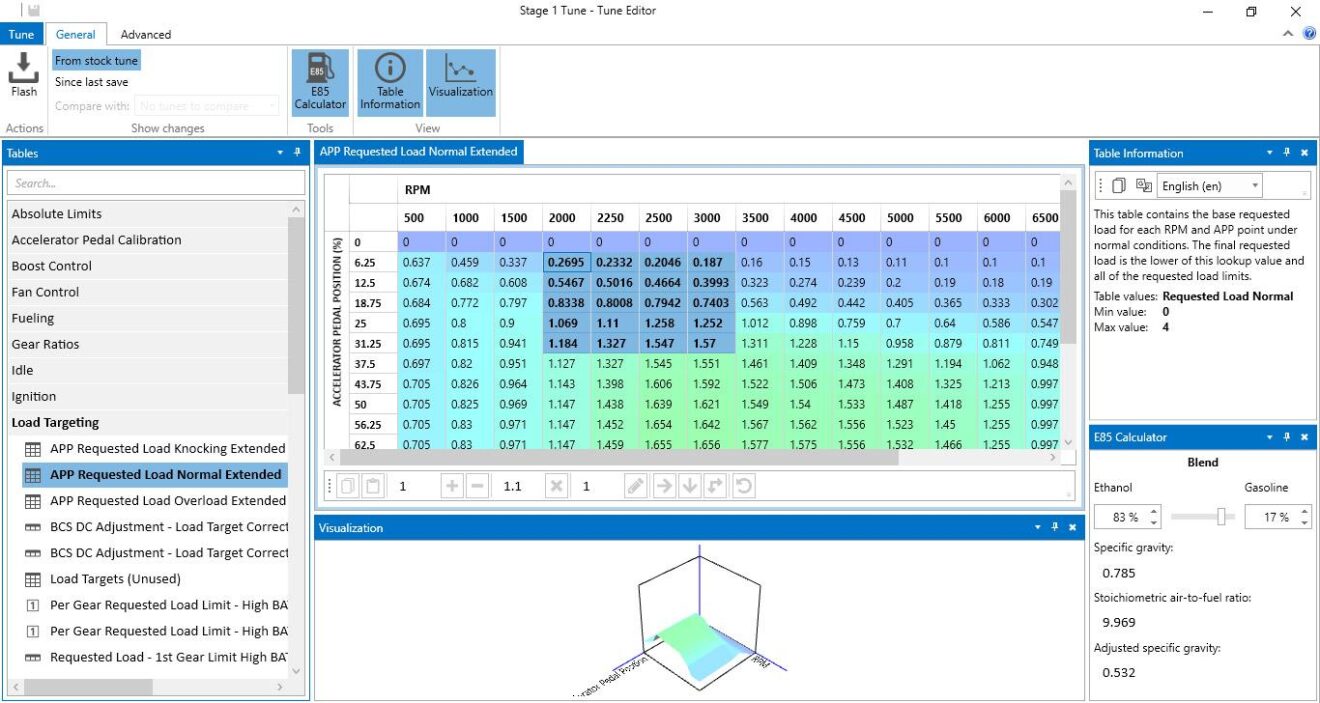
Modern Mazda ECUs still control:
- throttle mapping
- ignition timing
- torque delivery behavior
- airflow calculation
- fuel targeting
- driver demand logic
Factory calibrations are intentionally conservative in order to accommodate:
- emissions requirements
- varying fuel quality
- long-term reliability targets
- global climate conditions
As a result, many MX-5 platforms feel softer or more restricted than they actually need to.
This becomes especially noticeable during:
- mid-range acceleration
- partial throttle driving
- corner exit response
- lower RPM torque delivery
Why Throttle Response Matters More Than Peak Horsepower
One of the biggest strengths of the MX-5 platform is how connected the car feels to the driver.
Because the chassis is lightweight and balanced, even small calibration improvements become immediately noticeable behind the wheel.
Most drivers are not looking for massive dyno numbers from an MX-5.
Instead, they usually notice:
- smoother power delivery
- sharper throttle response
- improved mid-range behavior
- more consistent acceleration feel
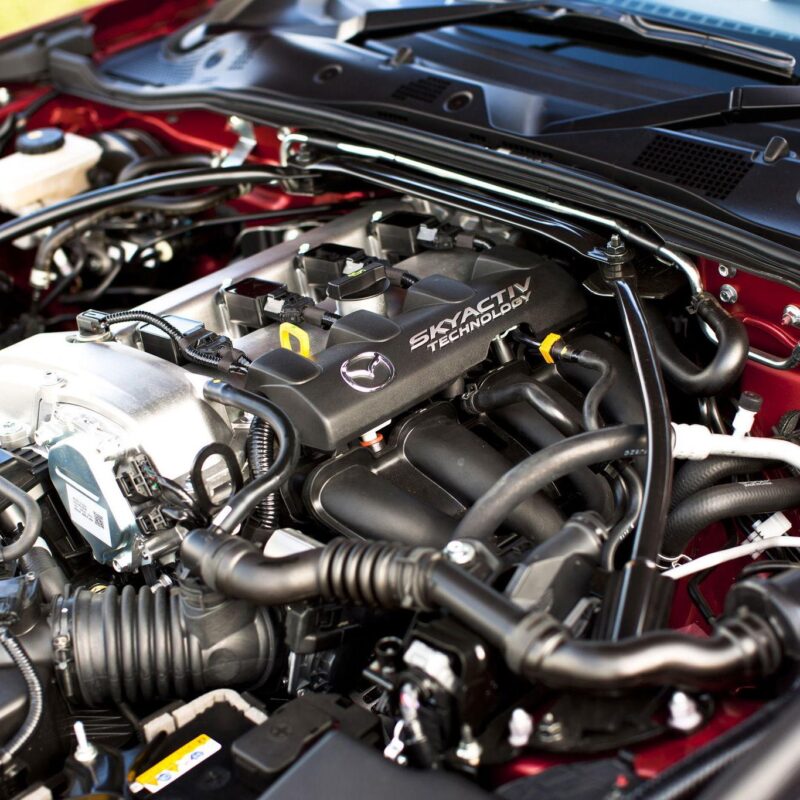
This is particularly true on Skyactiv-equipped MX-5 models where factory throttle mapping can feel surprisingly muted from the factory.
Supported MX-5 Skyactiv calibration support:
Older MZR MX-5 Platforms Still Have Untapped Potential
The earlier MZR-powered MX-5 generation remains extremely popular because of its simplicity and lightweight driving feel.
Even though these platforms are older, proper calibration can still improve:
- throttle consistency
- drivability
- part-throttle response
- overall engine smoothness
Many drivers underestimate how much factory calibration behavior influences the driving experience on lightweight sports cars.
Unlike heavier vehicles, small calibration changes become much easier to feel in an MX-5 chassis.
Related MZR platform support:
Final Thoughts
The MX-5 platform has never been about chasing the highest horsepower number.
What makes these cars special is responsiveness, balance, and driver connection.
That is why proper ECU calibration often feels more noticeable on an MX-5 than many drivers initially expect.
On lightweight platforms, smoother torque delivery and sharper throttle behavior can completely change how connected the car feels on the road.