By: Lauren Michael
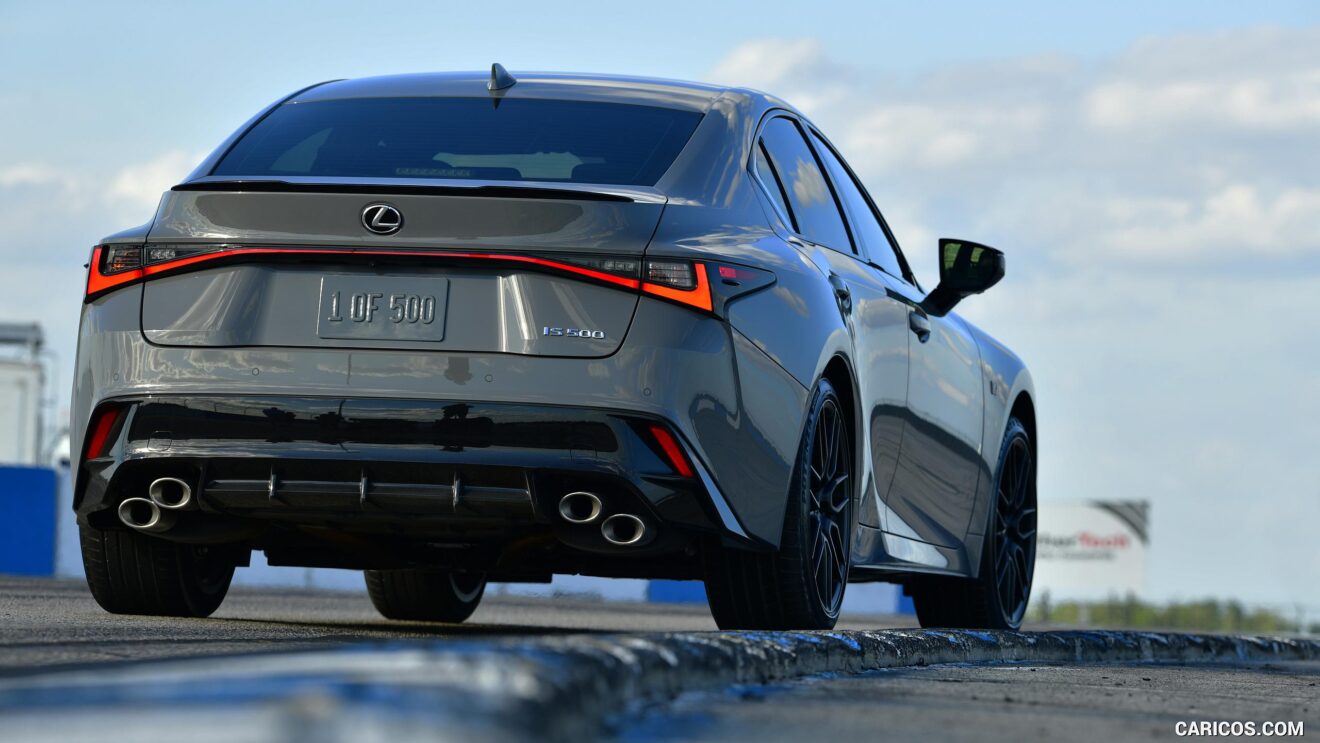
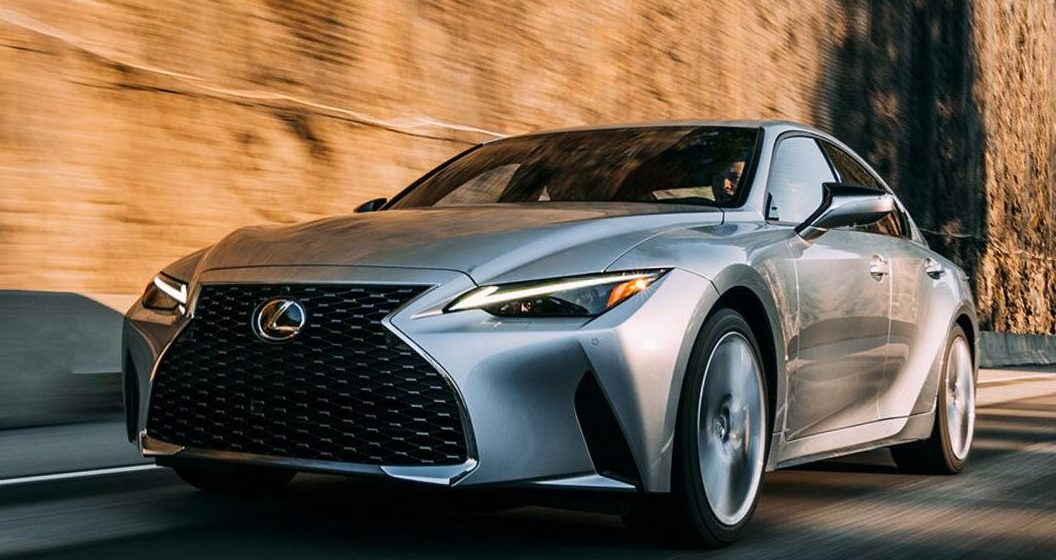
Understanding why the Lexus IS platform still delivers a unique rear-wheel-drive sports sedan experience, and how proper ECU calibration improves throttle response, torque delivery, and drivability on the IS350 and IS500 platforms.
The modern sports sedan market has changed dramatically over the last decade.
Many newer platforms have become faster, more digital, and increasingly dependent on artificial driving behavior created through aggressive transmission programming and electronic intervention systems.
The Lexus IS platform takes a noticeably different approach.
Even today, the IS still feels surprisingly mechanical compared to many modern performance sedans.
Part of that comes from the platform itself:
- rear-wheel-drive balance
- naturally responsive steering
- predictable chassis behavior
- and smooth naturally aspirated power delivery.
That character becomes especially noticeable on the IS350 and IS500 platforms.
Naturally Aspirated Engines Still Deliver a Different Driving Experience
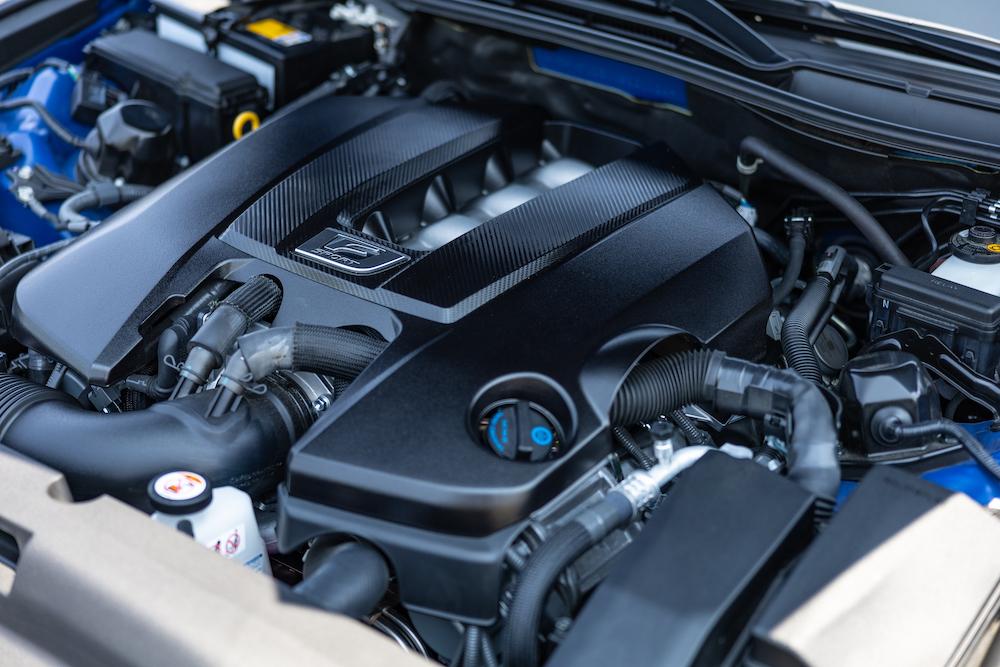
One of the most interesting aspects of the Lexus IS lineup is that the platform still offers naturally aspirated V6 and V8 engines in a market increasingly dominated by smaller turbocharged powertrains.
The difference is not always about peak horsepower.
It is about how the car responds to the driver.
Throttle input feels progressive.
Power delivery remains linear.
Acceleration builds naturally instead of arriving in one aggressive boost spike.
That smoother behavior is part of why many enthusiasts continue returning to naturally aspirated Lexus platforms even as modern turbocharged sedans become increasingly powerful.

Why Proper ECU Calibration Makes Such a Noticeable Difference
Modern Lexus ECUs manage significantly more than simple ignition and fueling adjustments.
The calibration system constantly controls:
- throttle behavior
- torque request
- airflow modeling
- transmission interaction
- ignition correction
- driver demand mapping
Factory calibrations are intentionally conservative in order to balance:
- emissions compliance
- fuel quality variation
- long-term reliability
- temperature adaptation
- drivetrain protection
As a result, many IS platforms feel softer or less responsive than they actually need to be, especially during:
- partial throttle acceleration
- mid-range response
- highway passing
- transmission downshift recovery
Proper calibration helps improve consistency and responsiveness without completely changing the character of the platform.
Supported Lexus IS calibration platforms:

The IS500 Represents Something Increasingly Rare
The IS500 is especially interesting because very few manufacturers still produce compact rear-wheel-drive sedans powered by naturally aspirated V8 engines.
The platform delivers:
- immediate throttle response
- predictable torque delivery
- smooth high-RPM power behavior
- and a noticeably mechanical driving feel.
That experience has become increasingly uncommon in modern performance cars.
Rather than relying heavily on turbocharged torque spikes or synthetic driving effects, the IS500 still feels connected in a more traditional way.
That character is a major reason why the platform continues building such a strong enthusiast following.
Final Thoughts
The Lexus IS platform has never been about chasing the most aggressive numbers on paper.
Instead, it focuses on balance, drivability, and long-term refinement.
That is exactly why proper ECU calibration works so well on these cars.
Rather than changing the personality of the platform, calibration simply helps the car feel more responsive, more predictable, and more connected to the driver while preserving the smooth character Lexus performance sedans are known for.