By:Lauren Michael
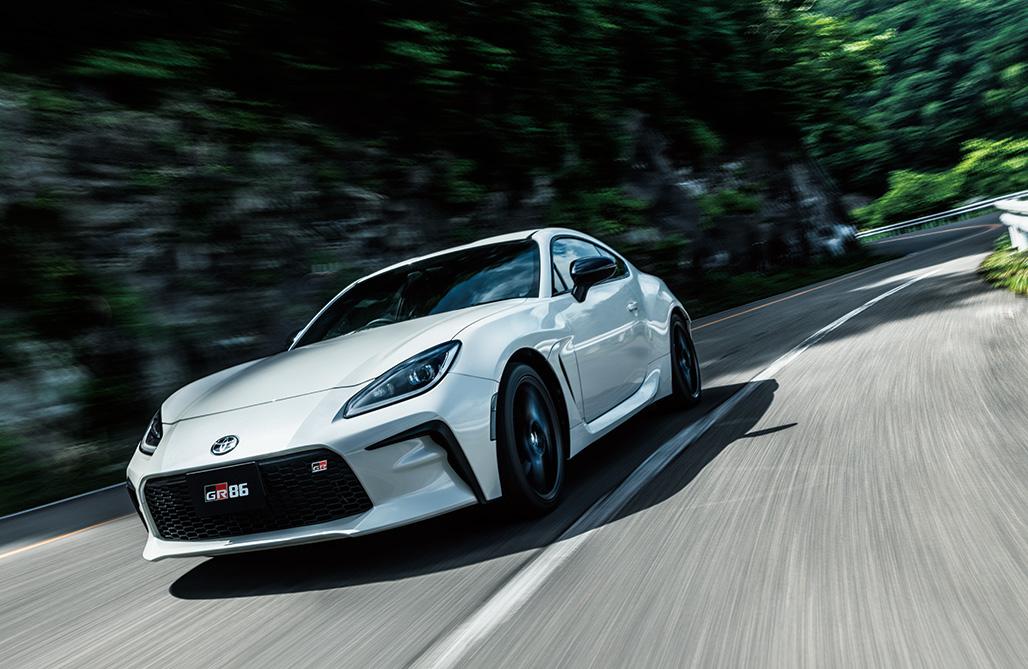
Understanding why the Toyota GT86 platform still delivers one of the purest driver-focused experiences on the market, and how proper ECU calibration improves throttle response, torque delivery, and drivability.
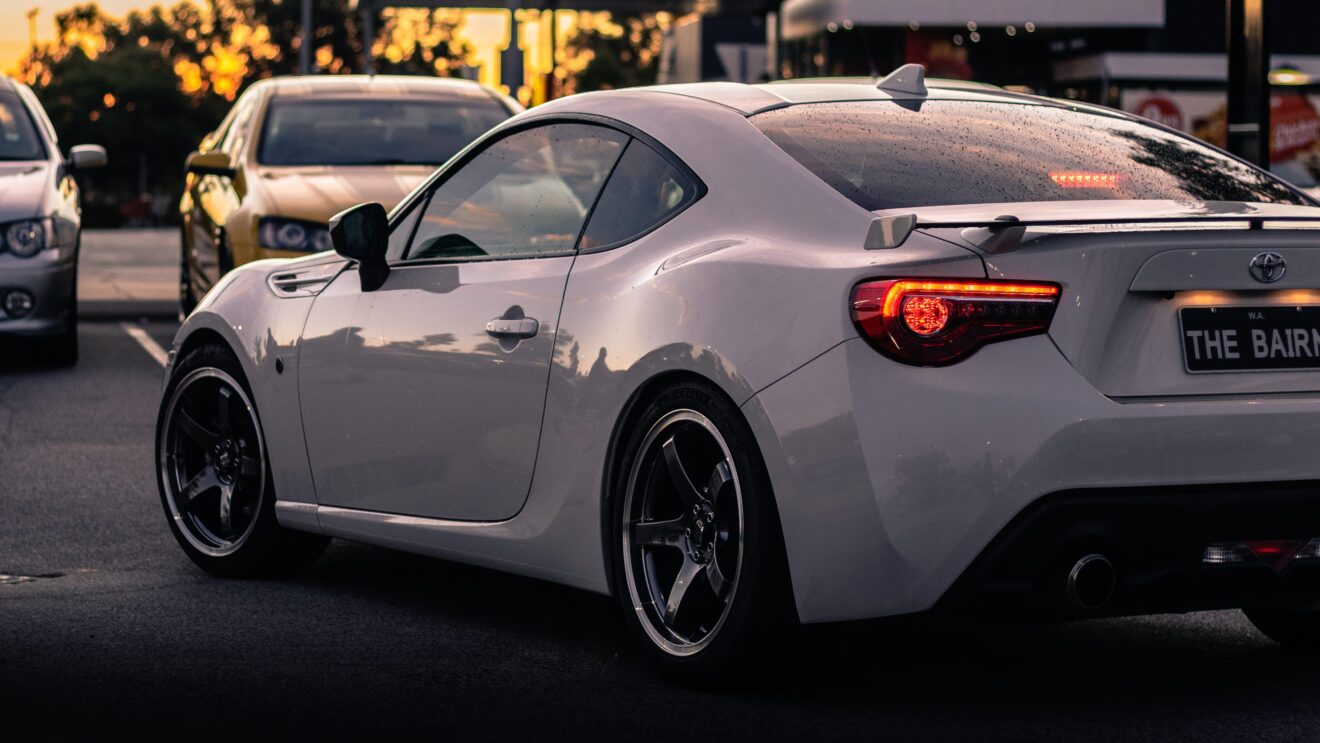
The Toyota GT86 was never designed to dominate horsepower charts.
That was never the point of the platform.
Instead, the GT86 focused on something increasingly rare in modern performance cars:
- lightweight balance
- predictable chassis behavior
- naturally aspirated throttle response
- and genuine driver engagement.
Even today, the platform still feels noticeably different compared to many newer turbocharged performance cars.
Why the GT86 Driving Experience Feels So Connected
Modern turbocharged platforms often deliver impressive peak torque numbers, but many of them also feel increasingly filtered by electronic systems.
The GT86 takes a different approach.
The car reacts directly to:
- throttle input
- steering correction
- weight transfer
- chassis movement
Because the platform is lightweight and naturally aspirated, even small calibration changes become surprisingly noticeable behind the wheel.
That is one reason why proper ECU calibration works so well on the GT86 platform.
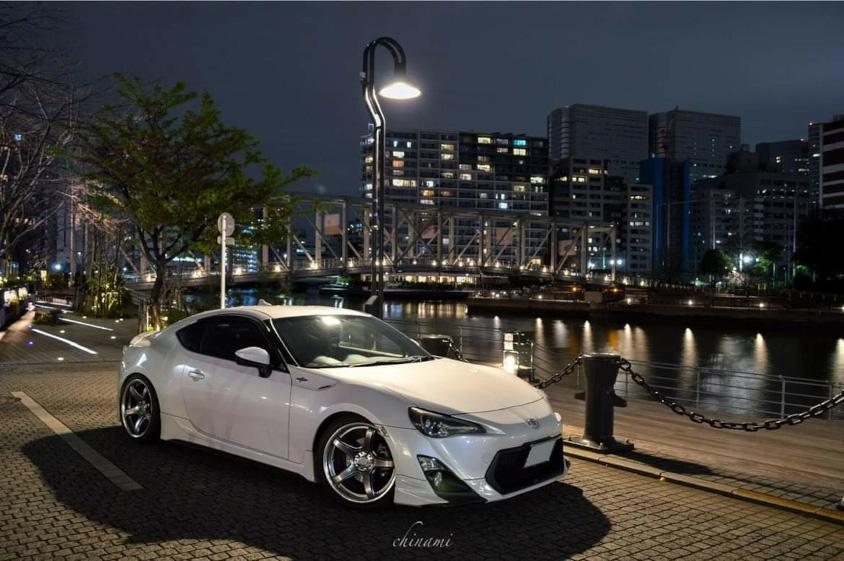
Factory Calibration Is More Conservative Than Many Drivers Realize
Modern Toyota ECUs still manage significantly more than simple ignition and fueling adjustments.
The calibration system constantly controls:
- throttle mapping
- airflow behavior
- torque delivery
- ignition correction
- driver demand logic
- transmission interaction
Factory calibrations are intentionally conservative in order to accommodate:
- emissions requirements
- varying fuel quality
- long-term reliability targets
- global climate conditions
As a result, many GT86 platforms feel softer during:
- partial throttle acceleration
- lower RPM response
- mid-range torque delivery
- daily driving transitions
This becomes especially noticeable on automatic transmission models where factory transmission behavior can feel more muted than the chassis itself deserves.
Supported GT86 calibration platforms:
- Toyota GT86 2012–2020 2.0i Stage 1 Tuning
- Toyota GT86 2016–2020 2.0i Automatic Gearbox Stage 1 Tuning
The Best GT86 Modifications Often Improve Feel Rather Than Numbers
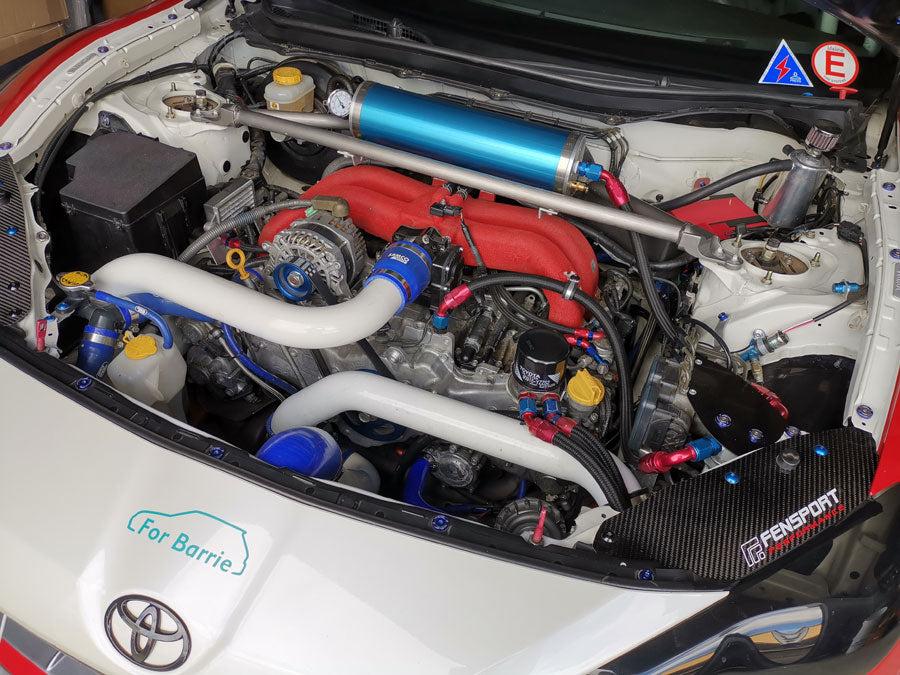
One of the biggest misconceptions about the GT86 platform is that every modification needs to chase large horsepower gains.
In reality, many experienced GT86 owners focus more on:
- throttle consistency
- smoother torque delivery
- improved drivability
- chassis predictability
- and overall driver confidence.
Because the platform itself is already extremely balanced, relatively small calibration improvements can significantly change how connected the car feels during real-world driving.
That is part of why the GT86 platform continues maintaining such a loyal enthusiast community years after release.
Final Thoughts
The GT86 remains one of the few modern performance cars that still prioritizes driving feel over raw numbers.
That philosophy is exactly why proper ECU calibration makes such a noticeable difference on the platform.
Rather than changing the character of the car, calibration simply helps the GT86 feel sharper, smoother, and more connected while preserving the lightweight driving behavior that made the platform special in the first place.