By: Lauren Michael
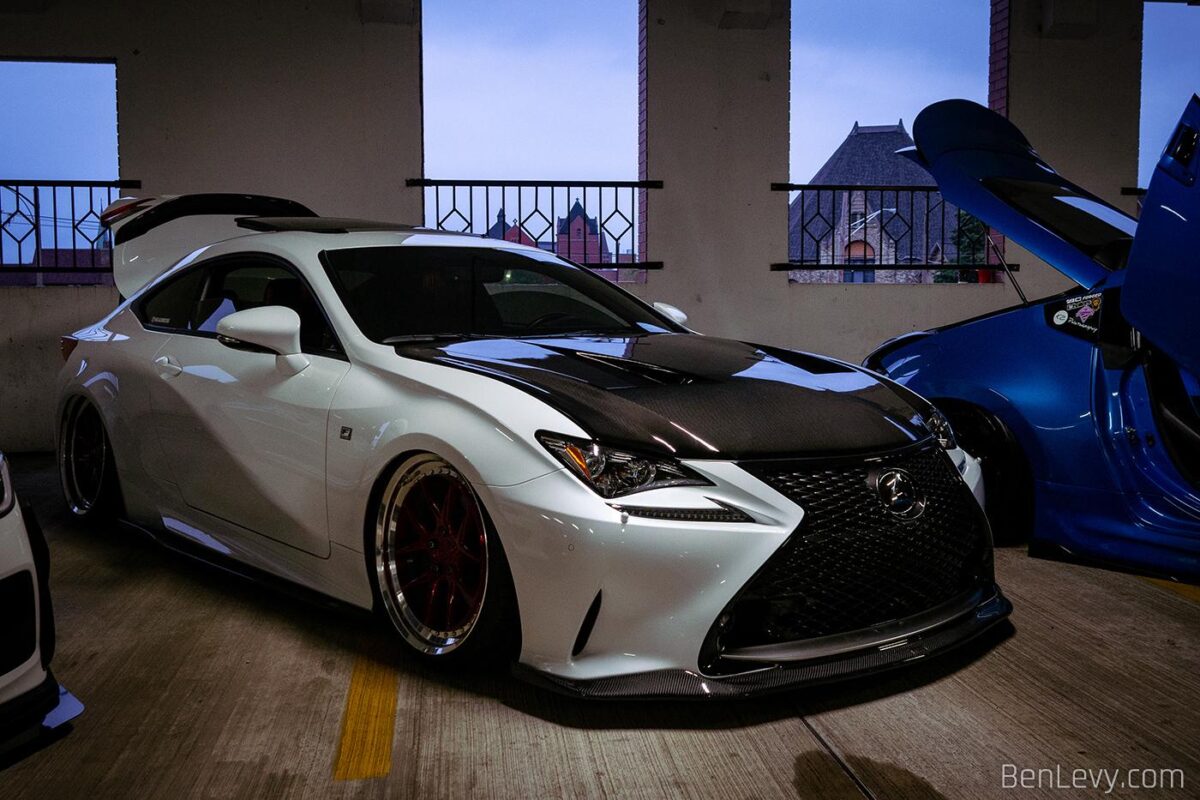
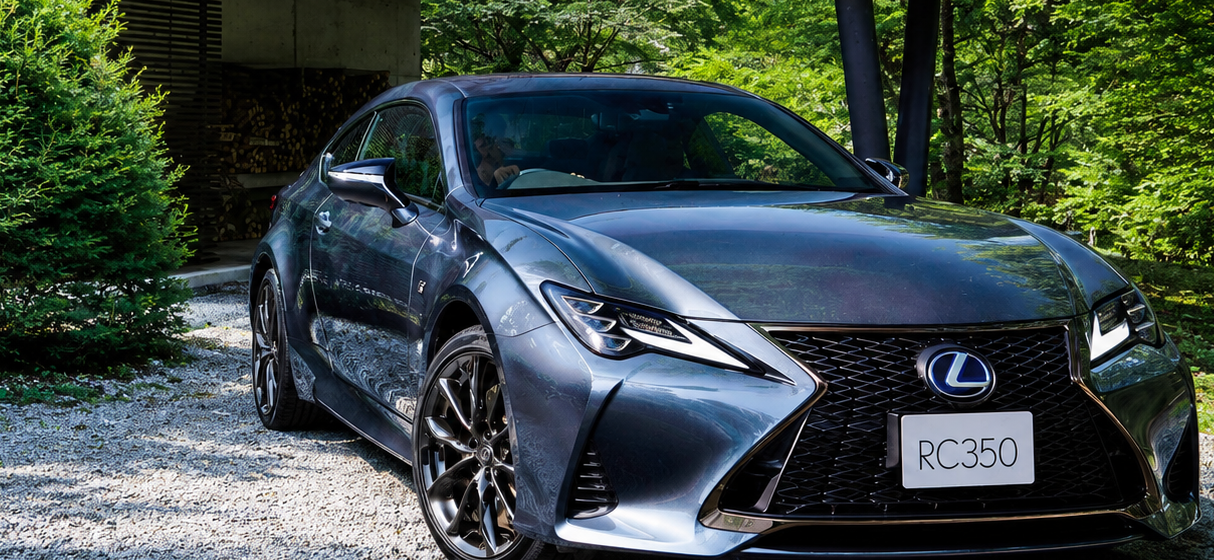
Understanding why the Lexus RC platform still delivers a unique driving experience, and how proper ECU calibration improves throttle response, torque delivery, and drivability across the RC200t, RC350, and RC F platforms.
The Lexus RC has always occupied a unique position in the modern performance car world.
While many newer performance platforms focus heavily on aggressive power delivery, artificial exhaust sound, and increasingly digital driving behavior, the RC platform still feels surprisingly mechanical and composed.
Part of that comes from Lexus itself.
The platform was clearly designed with long-term drivability, refinement, and predictable power delivery in mind rather than simply chasing the highest horsepower number.
That philosophy becomes especially noticeable across:
- the turbocharged RC200t
- the naturally aspirated RC350
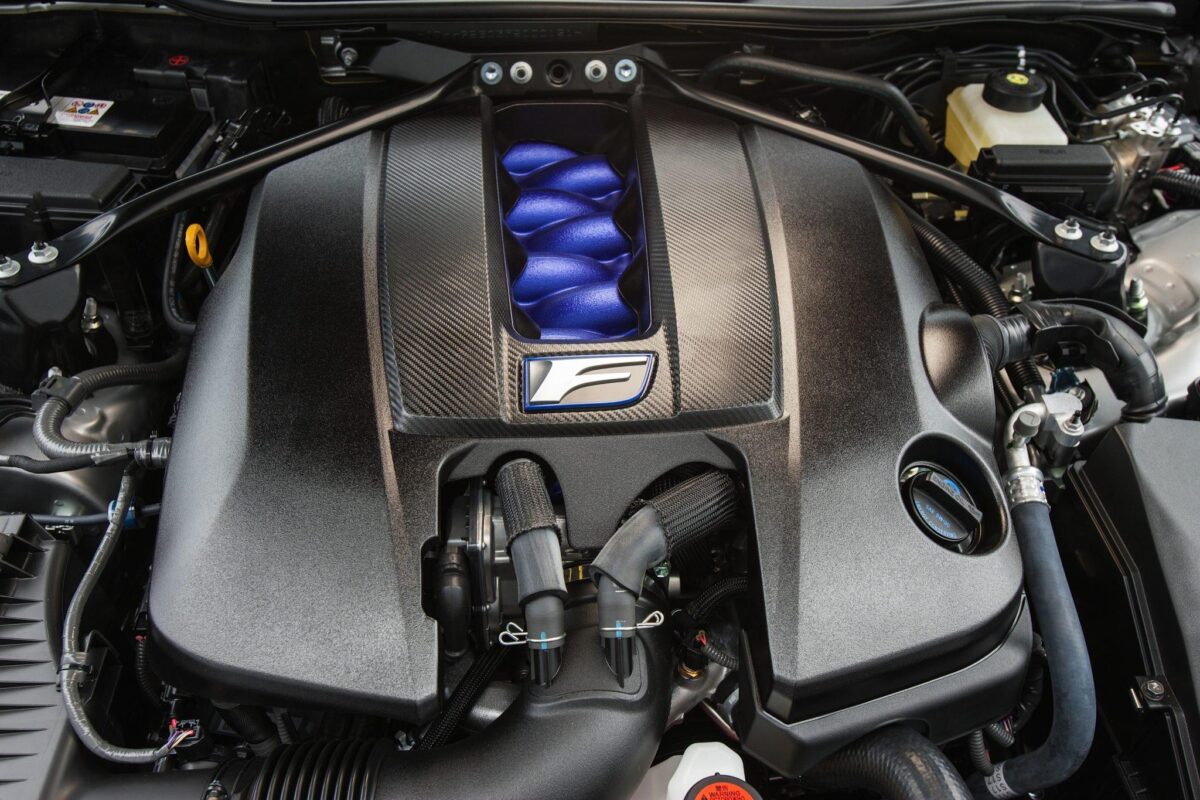
- and the V8-powered RC F platform.
Modern Performance Cars Often Feel Fast — But Not Always Connected
One reason many enthusiasts continue returning to the Lexus RC platform is because the driving experience still feels stable and consistent during normal driving.
The chassis behavior is predictable.
Throttle behavior feels smooth.
Power delivery remains linear rather than overly aggressive.
That becomes increasingly rare in modern performance vehicles where many factory calibrations rely heavily on:
- artificial throttle mapping
- aggressive transmission logic
- torque intervention systems
- synthetic driving feedback
The RC platform takes a noticeably different approach.
Why Proper ECU Calibration Makes Such a Noticeable Difference
Modern Lexus ECUs still manage far more than simple fueling and ignition tables.
The calibration system constantly controls:
- throttle behavior
- torque request
- airflow modeling
- ignition correction
- transmission interaction
- driver demand logic
Factory calibrations are intentionally conservative in order to accommodate:
- global fuel quality
- emissions compliance
- long-term reliability
- varying environmental conditions
As a result, many RC platforms feel softer or more restricted than they actually need to be, especially during:
- partial throttle acceleration
- mid-range response
- highway merging
- downshift recovery
This becomes particularly noticeable on the turbocharged RC200t platform where factory torque management can feel surprisingly muted.
Supported Lexus RC calibration platforms:
- 2019–2025 Lexus RC 2.0T Stage 1 Tuning
- 2019–2025 Lexus RC 3.5 V6 Stage 1 Tuning
- 2019–2025 Lexus RC 5.0 V8 Stage 1 Tuning
Naturally Aspirated Lexus Platforms Still Deliver Something Modern Turbo Cars Often Lack
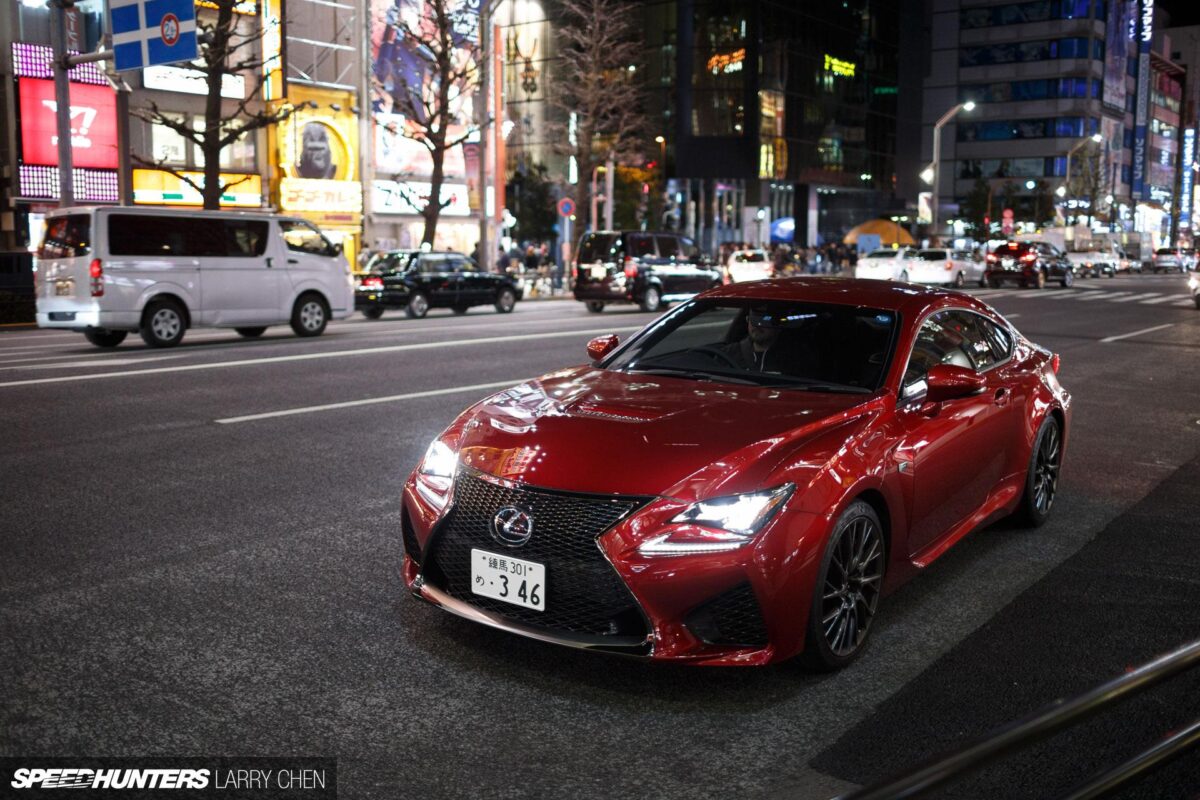
One of the most interesting aspects of the RC350 and RC F platforms is how naturally the engines respond to throttle input.
The driving experience feels progressive rather than overly boosted or artificially sharpened.
Especially on the 5.0L V8 platform, the connection between engine speed, throttle response, and chassis balance still feels distinctly mechanical in a way many modern turbocharged cars no longer do.
That character is part of why the Lexus RC platform continues maintaining such a loyal enthusiast following.
Final Thoughts
The Lexus RC was never designed to be the loudest or most aggressive performance platform on the road.
Instead, it focuses on balance, refinement, and long-term drivability.
That is exactly why proper ECU calibration works so well on these cars.
Rather than completely changing the character of the platform, calibration simply helps the RC feel more responsive, more predictable, and more connected to the driver without sacrificing the smooth behavior Lexus platforms are known for.